

The Engagement Myth: Why Your Digital Community is Silent
We have been sold a lie. For years, community managers and digital strategists have preached the gospel of ‘consistent posting’ and ‘engagement hacks.’ We were told that if we just asked a generic ‘Question of the Day’ or posted a colorful infographic at 9:00 AM sharp, our digital spaces would magically transform into thriving hubs of cultural exchange. Instead, most platforms have become digital ghost towns or, worse, sterile echo chambers where the only interaction is a solitary, pitying ‘like.’
The reality is that most digital communities are failing because they are managed like marketing funnels rather than living rooms. We treat members like data points to be optimized rather than humans to be heard. If you want to keep your community talking every day, you have to stop trying to manage the conversation and start participating in it. It is time to abandon the corporate script and embrace the messy, opinionated, and often friction-filled reality of human connection.
The Fallacy of the Forced Prompt
There is nothing that kills a conversation faster than a forced prompt. You know the ones: ‘What’s your favorite way to drink coffee?’ or ‘Drop an emoji that describes your mood today!’ These aren’t invitations to talk; they are digital chores. They are the equivalent of a party host standing in the middle of the room and shouting, ‘Someone say something interesting!’
In my view, these prompts are the death knell of genuine connection. They signal to your members that you have nothing of substance to offer, so you are asking them to do the heavy lifting for you. True engagement doesn’t come from a spreadsheet of pre-scheduled posts; it comes from shared experiences, controversial takes, and the courage to be vulnerable. If your community feels like a corporate HR seminar, don’t be surprised when people stop showing up. People don’t congregate in digital spaces to be ‘managed’; they congregate to feel something.
Why ‘Engagement’ is a Dirty Word
We need to stop using the word ‘engagement’ as a catch-all for success. A thousand likes on a post is not engagement if no one is actually talking to each other. In the context of Barablu’s mission—connecting communities through creativity and culture—true success is measured by the depth of the dialogue, not the height of the bar chart. We should be aiming for ‘resonance.’ Resonance happens when a topic strikes a chord so deeply that a member feels compelled to share their own perspective, even if it contradicts the status quo.
Embracing Friction as a Catalyst
One of the most unpopular opinions in community management is that you need friction. Somewhere along the way, we decided that digital communities should be ‘safe spaces’ to the point of being beige. While safety and respect are non-negotiable, a lack of disagreement is a sign of a dying community. If everyone agrees with everything all the time, there is no reason to speak.
I contend that healthy friction is the primary driver of daily conversation. This doesn’t mean inviting toxicity or harassment. It means leaning into the nuances of culture and creativity where there are no ‘right’ answers. It means taking a stance on a creative trend and inviting people to tell you why you’re wrong. When you provide a platform for respectful debate, you give people a reason to return. They aren’t just checking a feed; they are participating in an evolving narrative.
How to Actually Shift the Conversation
If you are ready to stop the performative posting and start building a community that actually talks, you need to change your tactical approach. Here is how I believe you should pivot:
- Stop being a ‘Moderator’ and start being a ‘Protagonist’: Don’t just stand on the sidelines. Share your own failures, your unfinished projects, and your unpopular opinions. When the leader is vulnerable, the community follows suit.
- Prioritize Depth Over Frequency: It is better to have one explosive, thought-provoking conversation a week than seven days of ‘Good morning!’ posts that get ignored.
- Reward the ‘Quiet’ Contributors: Move away from highlighting only the loudest voices. Reach out to the people who offer thoughtful, nuanced comments and bring their perspectives to the forefront.
- Let the Community Lead: As we’ve discussed at Barablu, letting the community lead our storytelling isn’t just a nice sentiment; it’s a requirement. If a member starts a thread that is gaining traction, get out of the way and let it breathe.
The Power of the Unfiltered Leader
The most successful digital communities I have seen are those where the leadership isn’t afraid to be human. In the age of AI-generated content and polished corporate branding, authenticity has become a rare commodity. People are hungry for something that feels real. They want to know that there is a person behind the screen who cares about culture and creativity as much as they do.
This means you have to stop hiding behind ‘we’ and start using ‘I.’ It means admitting when you don’t have the answers. It means being willing to change your mind in public. This level of transparency creates a sense of psychological safety that no ‘community guidelines’ document can ever replicate. When people feel like they are talking to a person rather than a brand, they are much more likely to show up and contribute every single day.
Final Thoughts: The Digital Third Space
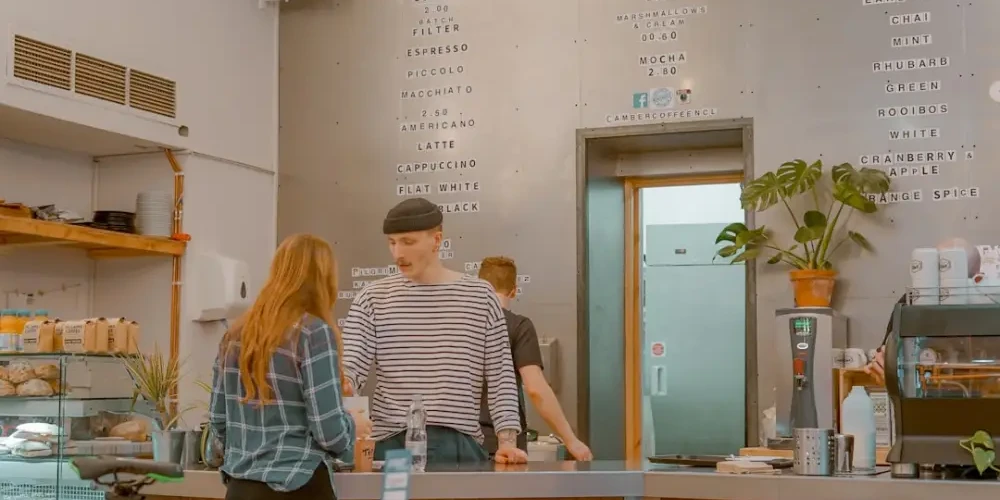
Keeping a digital community talking isn’t about the right algorithm or the perfect posting schedule. It’s about creating a ‘Digital Third Space’—a sanctuary that exists between work and home where people feel seen, heard, and challenged. This requires a rejection of the safe, the sterile, and the scheduled. It requires us to treat our digital spaces as the vibrant, unpredictable cultural hubs they were meant to be. Stop managing. Start talking. The community will follow.
Related Posts

What it actually means to let the community lead our storytelling
Learn what it actually means to let…
The Digital Third Space: A Sanctuary for Cultural Exchange
Explore the evolution of digital third…